Seeds Today. Food Tomorrow. Our Responsibility.
Have we ever wondered where our food comes from and who controls its production? Every fruit, vegetable, and grain begins with a seed. Seeds are not merely the starting point of agriculture; they are the foundation of food security, biodiversity, and agricultural independence.
With the growing use of genetically modified organisms (GMOs) in agriculture, it is important to understand how our food systems are changing.
Understanding GMO Seeds
Genetically Modified Organisms (GMOs) are plants or other organisms whose genetic material has been altered using modern biotechnology to introduce specific characteristics. In agriculture, GMO crops may offer benefits such as resistance to certain insects, herbicide tolerance, and improved ability to withstand particular environmental conditions.
However, their increasing commercial use also raises important questions about seed ownership, accessibility, and farmers’ independence.
Who Controls Our Food Supply?
Some commercial GMO seeds are patented or sold under licensing agreements. Depending on these agreements, farmers may face restrictions on saving and replanting seeds, requiring them to purchase new seeds for future growing seasons.
When ownership of seeds becomes concentrated among a small number of companies, concerns arise about pricing, availability, competition, and farmers’ dependence on commercial suppliers. Protecting farmers’ choices and ensuring access to diverse seeds are essential for food sovereignty.
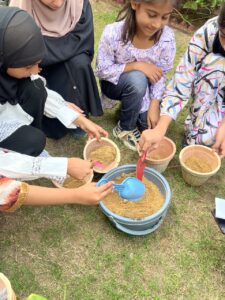
Why Are We Teaching Our Mentees About Plantation?
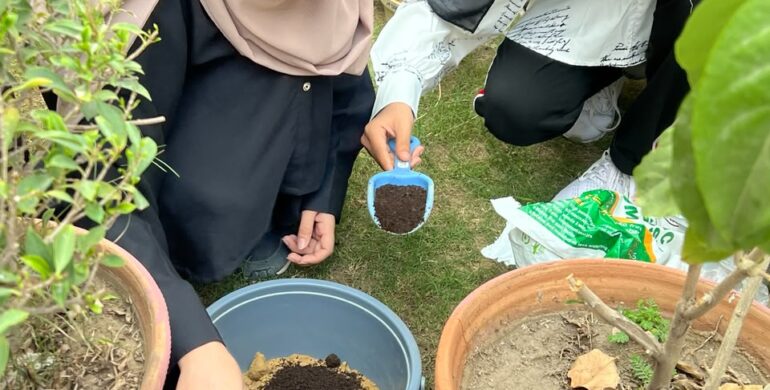
At HELM Foundation, we believe education extends beyond textbooks. Our plantation initiative aims to introduce mentees to the importance of agriculture, seed diversity, food security, and environmental responsibility.
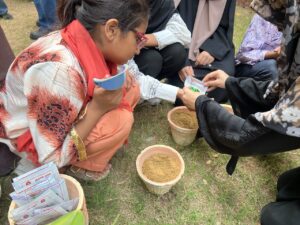
Through practical activities and discussions, we encourage them to understand where their food comes from, the difference between traditional and GMO seeds, why biodiversity matters, and how today’s agricultural decisions affect future generations.
We want our mentees to become informed individuals who understand that protecting nature also means protecting the resources that sustain us.
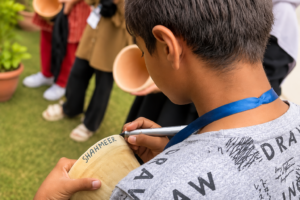
Why Are We Teaching Our Mentees About Plantation?
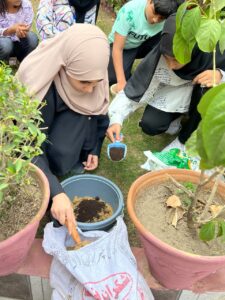
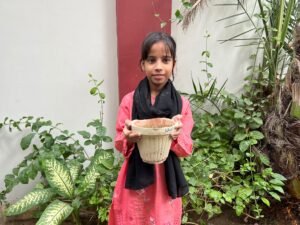
As part of this initiative, each mentee is given their own plant – the very plant they have prepared and nurtured – to take home. This goes beyond simply teaching them how to grow a plant; it encourages ownership, responsibility, and care. They learn to water it regularly, look after its growth, and eventually harvest it themselves. Through this hands-on experience, they develop a practical, essential life skill: understanding how to grow and sustain food, a skill that can prove invaluable for their future and even their survival.
This addition connects the plantation activity to practical learning, accountability, self-sufficiency, and survival skills, making the initiative more meaningful than a one-time activity.
Growing Awareness, Protecting Tomorrow
Food security is not just about having enough food today; it is about ensuring that future generations have access to diverse, affordable, and sustainable food sources.
At HELM Foundation, we believe meaningful change begins with awareness. By educating young minds today, we hope to nurture responsible individuals who value nature, understand food sovereignty, and contribute towards a sustainable future.
Because the future of food begins with the seeds we protect today.
About HELM FOUNDATION
HELM FOUNDATION believes meaningful development goes beyond academics. Through mentoring, parenting support, free education, and career counselling, we build confident, responsible individuals, strengthen families, make learning accessible, and help young people make informed decisions about their futures. Whether it’s teaching a child to grow a plant or to think independently, we empower communities one person at a time.